Exactly how to Make the Transition to Assisted Living Smoother
Business Name: BeeHive Homes of Albuquerque NM - Assisted Living Facility
Address: 6401 Corona Ave NE, Albuquerque, NM 87113
Phone: (505) 221-6400
BeeHive Homes of Albuquerque NM - Assisted Living Facility
BeeHive Village is a premier Albuquerque Assisted Living facility and the perfect transition from an independent living facility or environment. Our Alzheimer care in Albuquerque, NM is designed to be smaller to create a more intimate atmosphere and to provide a family feel while our residents experience exceptional quality care. Memory loss, dementia and Alzheimer's disease are becoming quite pervasive in our society. Dementia care assisted living in Albuquerque NM offers catered memory care services, attention and medication management, often in a secure dementia assisted living in Albuquerque or nursing home setting. We invite you to come and visit our elder care and feel what truly makes us the next best place to home.
6401 Corona Ave NE, Albuquerque, NM 87113
Business Hours
Moving right into assisted living is rarely just a real estate choice. It is a change in routine, identification, assistance, and, for many households, a long stretch of worry lastly taking a noticeable kind. I have seen households spend months circling around the same inquiries: Is this prematurely? Are we surrendering too much independence? Will Mom feel deserted? Will Dad actually accept assistance? Those inquiries are regular, and they become part of why the shift can really feel larger than it should.
A smoother step normally does not come from one best discussion or one well-organized relocating day. It originates from a collection of smaller, thoughtful options made prior to the step, during the very first week, and in the months that adhere to. The households who handle it best tend to do three points well. They plan early, they keep the older adult involved as high as feasible, and they deal with modification as a procedure as opposed to a single event.
Start with the real factor for the move
The shift comes to senior living albuquerque nm be easier when everybody agrees on the real problem being resolved. Occasionally the concern is drops. Sometimes it is missed out on medications, loneliness, poor nutrition, or a spouse that can no more handle caregiving alone. Often it is all of the above, yet no one has said it plainly.
When households only chat in vague terms, the relocation can feel like a penalty. When they name the reason clearly, assisted living starts to appear like what it really is for many people: a much safer, more lasting way to preserve quality of life. That difference matters. An older adult who has been isolated after a hospitalization may not hear "assisted living" the same way they listen to "you can still have your very own space, your very own furniture, and daily assistance when you need it." The framework alters the emotional weight.
This is additionally where realistic expectations aid. Assisted living is not the same as independent living, and it is not the like a nursing home. It sits in the center, offering help with day-to-day tasks such as bathing, dressing, meals, drug reminders, and transportation, while still giving locals space to maintain their own rhythms. Households that comprehend that difference often tend to select more with confidence and clear up in more quickly as soon as the step happens.
Involve the older grown-up early, even if the conversation is uncomfortable
One of one of the most common errors I see is waiting up until whatever is chosen prior to bringing the older adult right into the process. That usually originates from a need to "secure" them from tension. In practice, it generally enhances tension due to the fact that the action feels imposed rather than chosen.
Even when a person's wellness is plainly declining, there are still choices that matter. They can aid choose what to bring, just how the home ought to be set up, what clothing should hang closest to the bed, and which routines are most important to protect. Those details are not minor. They are signals of respect.
A lady I once dealt with was furious regarding moving in the beginning, but her state of mind shifted when her household asked her to pick between two dining room chairs she liked and allowed her choose where her preferred lamp would go. That may appear small. It was not. It provided her a sense that she was moving right into a brand-new home, not being positioned right into someone else's system.
If the person is resistant, it helps to prevent abstract debates. "You need even more aid" can activate defensiveness. "I want you to be somewhere with meals, housekeeping, and individuals around if you require anything" is easier to hear. So is "Allow's look at a couple of neighborhoods with each other and see which one feels most comfortable." Even if somebody is reluctant, engagement reduces the sense of being swept along.
Choose the best area for the person, not simply the brochure
Families frequently begin with online photos, ratings, or a look for "assisted living near me," after that narrow points down based upon area and availability. That is a practical beginning, yet it must not be the end of the procedure. Two communities can look similar on paper and feel really different in daily life.
The finest fit depends on greater than square footage or a checklist of amenities. Take notice of exactly how personnel talk with locals. Notification whether people seem hurried, whether homeowners look involved, and whether dishes really feel tranquil or chaotic. If possible, visit at various times of day. A neighborhood can really feel polished at 10 a.m. And totally various at dinner.
Location issues also, specifically if family members visits will certainly belong to the modification. Some family members look for "senior care near me" because they wish to be close sufficient for a short drive after job or on weekends. That reaction is functional. Regular visits throughout the very first couple of weeks can make the transition much easier. Still, distance ought to not be the only aspect. A somewhat farther community that has far better staffing consistency, a warmer culture, or a stronger activity program might be the better long-lasting choice.
Ask straight inquiries concerning routines, team turnover, medicine assistance, and just how they deal with citizens that are anxious throughout the change period. Areas vary extensively in how they welcome brand-new homeowners. Some are intentional and individual. Others assume individuals will adjust on their own. The first method typically results in a smoother move.
Treat the initial 1 month as a settling-in period, not a test
Many families anticipate the transfer to be psychologically cool after packages are unpacked. Actually, the very first month is commonly uneven. Hunger might be off. Rest might change. A resident that seemed fine on day two might weep on day five. An additional might say they dislike it, then join a card game the following afternoon. None of that is unusual.
It assists to assume in terms of modification, not success or failing. The objective in the initial thirty days is not to make whatever really feel perfect. The objective is to develop adequate familiarity that the area starts to feel much less foreign.
That implies maintaining a couple of regimens undamaged. If somebody has coffee prior to morning meal in the house, see whether that can proceed. If they always watch the evening information at a particular time, bring the same timetable right into the brand-new setting ideally. Familiar habits anchor individuals when everything else has changed.
Families sometimes panic when a parent expresses homesickness in the very first week and interpret it as an indication the step was wrong. Usually it implies the relocation is emotionally actual. That is a tough difference, yet an essential one. Pain is not constantly a decision. It might simply be the cost of change.
Pack for convenience, not just for practicality
It is easy to overfocus on documents and ignore the emotional power of items. A room can be totally practical and still really feel barren if it does not have the important things that inform the resident, "This is mine." That is why the move-in process must focus on convenience as much as logistics.
Bring the items that bring emotional weight. A favorite blanket. Family pictures. An analysis lamp. A familiar chair if the space permits it. The objective is not to recreate the old home exactly. That can overwhelm a smaller apartment and turn the room into a storage space problem. The goal is to maintain enough connection that the area really feels recognizable.
I have actually watched homeowners work out much faster when a child hangs the very same quilt over the bed or when a son places his father's books in the precise order he likes. Those information matter due to the fact that they reduce the sense of being displaced.
Practicality still counts. Label garments plainly. Keep drugs arranged. Ensure glasses, listening to aids, and flexibility help are simple to find. Bring a short list of emergency situation contacts and physicians. If the senior uses a walker or walking cane, see to it the path through the house is minimalist from day one. Small obstacles end up being serious dangers when somebody is still discovering a new layout.
Use respite care if the action is occurring after a crisis
Sometimes assisted living is arranged after an unexpected a hospital stay, a loss, or a caretaker fatigue point. In those cases, the household might not have the deluxe of a long, leisurely change. That is when respite care can be specifically useful.
Short-term respite care offers everybody a possibility to check regimens before making a permanent choice. It can also minimize the shock of a complete moving. A short stay permits the older grownup to find out the eating routine, meet team, and obtain a feel for the neighborhood without the pressure of "this is for life" hanging over every interaction.
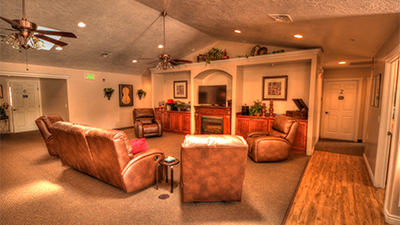
This can be a smart choice when there is uncertainty about timing. If the senior is recuperating but not prepared to live completely independently, respite care can connect the gap. It additionally provides grown-up youngsters time to see just how much assistance is really required. Several families find that what looked convenient for a weekend break comes to be much more intricate over a month. That sort of info is valuable prior to making a final move.
Communicate with staff like you are constructing a partnership
A smoother transition often depends on exactly how well the family members connects with the assisted living group. Team can do a better task when they recognize a resident's habits, choices, triggers, and routines. They are incline readers, and small details make a huge difference.
If your parent disapproval being entered the morning, say so. If they are difficult of listening to on the left side, state it. If they obtain anxious when too many individuals get in the room at the same time, that matters. Great senior care is not only regarding tasks. It has to do with noticing how an individual experiences those tasks.
It additionally aids to identify one family get in touch with that can interact plainly and consistently with the community. Too many scattered messages can develop complication, particularly if different relatives have different point of views about care. A marked contact does not mean various other relative are omitted. It just gives staff a trustworthy factor person.
When problems occur, resolve them early and specifically. "Mom appears upset" is a starting factor, not a complete report. "She is missing lunch and says she really feels lost after dinner" is a lot more helpful. The more concrete the information, the much easier it is for staff to react well.
Expect feelings to relocate waves
Even when the action goes well, there might be regret, pain, relief, and thankfulness all mixed with each other. Families are usually surprised by their own emotions. Adult kids might really feel guilty for really feeling eased. Older adults might really feel self-conscious to need assistance, after that alleviated when they realize they no more need to take care of every task alone.
These blended sensations are regular. They normally mean the family is focusing, not that they have actually made the incorrect choice.
The resident may also grieve the old home in manner ins which do not show up in the very first few days. An odor, a tune, or a small vacation tradition can trigger despair later on. It deserves including that. Do not rush to deal with every difficult feeling with peace of mind. In some cases the best feedback is simply to acknowledge the loss while indicating what remains undamaged: household connection, freedom in daily options, and the possibility of a steadier routine.
That psychological sincerity is among one of the most useful things a family members can offer. It maintains the step from ending up being a forced exhilaration exercise, which generally backfires.
Keep visits routine, however not overwhelming
Family presence assists, especially in the early stage, yet there is an equilibrium to strike. Also couple of visits can make the resident feel abandoned. Too many, particularly if they are unforeseeable or overly emotional, can avoid the resident from resolving right into the community.
A valuable rhythm is to visit often sufficient that the person feels sustained, while still providing space to discover staff names, sign up with activities, and develop their own regimen. Quick, predictable visits can be much better than long, extreme ones. A 45-minute visit after lunch may do even more excellent than a three-hour visit that interferes with dinner and leaves everyone drained.
It is additionally worth seeing how visits impact the resident after the family members leaves. Some older grownups become a lot more distressed if visits are extended or if family members consistently share question concerning the move. Others require a couple of added check-ins at the beginning and after that slowly require much less. Profundity matters below. The correct amount of get in touch with is the quantity that supports adjustment, not the amount that eases household guilt.
Watch for signs that the transition needs more support
Most individuals change gradually, however some need added aid. Persistent refusal to eat, aggravating confusion, duplicated declarations of sadness, or complete withdrawal from social interaction can indicate that even more assistance is needed. So can changes in rest, hygiene, or wheelchair that do not work out after the initial few weeks.
This does not instantly suggest the action fell short. It may imply the resident needs a different level of care, even more time, or a more deliberate care plan. Often a medical professional must evaluate medications. In some cases the community requires to change the day-to-day regimen. Occasionally the family members requires to remodel expectations due to the fact that the action happened during a particularly vulnerable health and wellness period.
The factor is to notice patterns rather than assuming discomfort will certainly always arrange itself out. Emotional resistance and professional decrease can look comparable on the surface, but they ask for various responses.
Make the brand-new life feel like a life, not a waiting room
The best shifts occur when assisted living begins to feel less like a place the person has been sent out and even more like a place where life can proceed. That shift seldom takes place with features alone. It comes from rhythm, familiarity, relationships, and small choices.
Encourage the resident to customize their area, find out the names of personnel, and try activities that match their personality. Not everyone desires team bingo, and that is great. Some people favor reading, problem work, gardening, or a peaceful walk. The objective is engagement that feels real, not forced.
Families can help by asking different concerns. As opposed to "Are you fine?" every single time, try "What was great regarding today?" or "Who did you rest with at lunch?" Those inquiries are most likely to welcome real discussion and help the individual notification minutes of connection.

If the area offers transportation, outings, or get-togethers, utilize them selectively. Overwhelming a newbie with activity can be equally as purposeless as under-involving them. A thoughtful pace offers the resident area to construct confidence.
A step right into senior living does not remove an individual's history or practices. It merely changes the setup in which those points unravel. The smoother shifts are the ones where everybody remembers that. Assisted living works best when it protects dignity as high as safety, and when the relocation is handled with perseverance, useful planning, and a willingness to readjust as required. That is frequently what families are actually searching for when they look for assisted living near me or senior care near me. They are not simply trying to find a building. They are searching for a place where the following chapter can start with much less strain and more steadiness.
BeeHive Homes of Albuquerque NM - Assisted Living Facility provides assisted living care
BeeHive Homes of Albuquerque NM - Assisted Living Facility provides memory care services
BeeHive Homes of Albuquerque NM - Assisted Living Facility provides respite care services
BeeHive Homes of Albuquerque NM - Assisted Living Facility supports assistance with bathing and grooming
BeeHive Homes of Albuquerque NM - Assisted Living Facility offers private bedrooms with private bathrooms
BeeHive Homes of Albuquerque NM - Assisted Living Facility provides medication monitoring and documentation
BeeHive Homes of Albuquerque NM - Assisted Living Facility serves dietitian-approved meals
BeeHive Homes of Albuquerque NM - Assisted Living Facility provides housekeeping services
BeeHive Homes of Albuquerque NM - Assisted Living Facility provides laundry services
BeeHive Homes of Albuquerque NM - Assisted Living Facility offers community dining and social engagement activities
BeeHive Homes of Albuquerque NM - Assisted Living Facility features life enrichment activities
BeeHive Homes of Albuquerque NM - Assisted Living Facility supports personal care assistance during meals and daily routines
BeeHive Homes of Albuquerque NM - Assisted Living Facility promotes frequent physical and mental exercise opportunities
BeeHive Homes of Albuquerque NM - Assisted Living Facility provides a home-like residential environment
BeeHive Homes of Albuquerque NM - Assisted Living Facility creates customized care plans as residents’ needs change
BeeHive Homes of Albuquerque NM - Assisted Living Facility assesses individual resident care needs
BeeHive Homes of Albuquerque NM - Assisted Living Facility accepts private pay and long-term care insurance
BeeHive Homes of Albuquerque NM - Assisted Living Facility assists qualified veterans with Aid and Attendance benefits
BeeHive Homes of Albuquerque NM - Assisted Living Facility encourages meaningful resident-to-staff relationships
BeeHive Homes of Albuquerque NM - Assisted Living Facility delivers compassionate, attentive senior care focused on dignity and comfort
BeeHive Homes of Albuquerque NM - Assisted Living Facility has a phone number of (505) 221-6400
BeeHive Homes of Albuquerque NM - Assisted Living Facility has an address of 6401 Corona Ave NE, Albuquerque, NM 87113
BeeHive Homes of Albuquerque NM - Assisted Living Facility has a website https://beehivehomes.com/locations/albuquerque/
BeeHive Homes of Albuquerque NM - Assisted Living Facility has Google Maps listing https://maps.app.goo.gl/3oqufzNUPNMqK22LA
BeeHive Homes of Albuquerque NM - Assisted Living Facility has Facebook page https://www.facebook.com/BeeHiveHomesAbq
BeeHive Homes of Albuquerque NM - Assisted Living Facility has an YouTube page https://www.youtube.com/channel/UCNFwLedvRtjtXl2l5QCQj3A
BeeHive Homes of Albuquerque NM - Assisted Living Facility won Top Assisted Living Homes 2025
BeeHive Homes of Albuquerque NM - Assisted Living Facility earned Best Customer Service Award 2024
BeeHive Homes of Albuquerque NM - Assisted Living Facility placed 1st for Senior Living Communities 2025
People Also Ask about BeeHive Homes of Albuquerque NM
What is BeeHive Homes of Albuquerque NM Living monthly room rate?
The rate depends on the level of care that is needed. We do a pre-admission evaluation for each resident to determine the level of care needed. The monthly rate is based on this evaluation. There are no hidden costs or fees
Can residents stay in BeeHive Homes until the end of their life?
Usually yes. There are exceptions, such as when there are safety issues with the resident, or they need 24 hour skilled nursing services
Do we have a nurse on staff?
Yes. We have a registered nurse on premise 40 hours/week. In addition, we have an on-call nurse for any after-hours needs
What are BeeHive Homes’ visiting hours?
Visiting hours are adjusted to accommodate the families and the resident’s needs… just not too early or too late
Do we have couple’s rooms available?
Yes, each home has rooms designed to accommodate couples. Please ask about the availability of these rooms
Where is BeeHive Homes of Albuquerque NM located?
BeeHive Homes of Albuquerque NM is conveniently located at 6401 Corona Ave NE, Albuquerque, NM 87113. You can easily find directions on Google Maps or call at (505) 221-6400 Monday through Sunday 9:00am to 5:00pm
How can I contact BeeHive Homes of Albuquerque NM?
You can contact BeeHive Homes of Albuquerque NM - Assisted Living Facility by phone at: (505) 221-6400, visit their website at https://beehivehomes.com/locations/albuquerque/ or connect on social media via Facebook TikTok or YouTube
Balloon Fiesta Park offers expansive walking paths and open views where residents in assisted living, memory care, senior care, elderly care, and respite care can enjoy gentle outdoor experiences.